
As fall and winter approaches, there are ways to naturally prepare yourself for the flu season. The flu season typically starts in the fall and peaks in January or February but it can also begin as early as October. Groups more likely to experience complications include seniors (age 65 and older), children (especially those younger than 2), and people with chronic illness. Symptoms of the flu include fatigue, muscle aches, headaches, fever, cough, runny nose, nausea, vomiting, and diarrhea. The flu can halt and wreak havoc on your activities of daily living, therefore it may be wise to nurture a healthy immune system by decreasing your susceptibility to disease. Poor nutrition, inactivity, emotional stress, environmental toxins, and negative thought processes can your increase susceptibility. So here are some guidelines that I find particularly helpful: Rest If you feel symptoms beginning (like sore throat, headache, congestion, fever, etc.), take a day off if possible. Keep your bedroom cool and humid. If you are cold, add covers. If you are too warm, uncover or take a lukewarm bath. Consider investing in a humidifier or keep a dish of fresh water near your heat source. House plants can also be helpful alternative to purchasing a humidifier. The humid air is helpful in keeping mucous membranes moist. Create a Healing Space When feeling ill or under the weather, allow your bedroom to be the quietest yet cheerful place in the house. Let air flow freely into the bedroom, clearing any stuffiness or foul smell. Be sure to sleep on clean sheets and wear clean clothes. Drink Plenty of Fluids Drink large amounts of filtered water, herbal teas, broths and soups. Avoid fruit juices and sweetened beverages (like sodas), because the high sugar content will actually inhibit your immune cells from doing their job. If you do choose to drink fruit juices, dilute them with water (use equal parts). Try to avoid alcohol, coffee and black tea because these can depress the immune response as well. Onion Lotus To prevent a cold from affecting every family member or to help shorten the duration of a cold you may need to purify your living space. An onion is very helpful in clearing indoor air. Begin by taking one medium or large size onion. Make two cuts into the onion, crosswise. The onion should open up like a lotus flower. Put the onion on small dish and sit it in the room of the affected person. Crack the window just a bit for greater air circulation. Ideally, an onion should be placed in every room (i.e. the rooms with the most people traffic) of the house. Optimize Your Diet Eat mostly alkaline forming foods like vegetables, fruits, nuts, and seeds. If possible buy seasonally organic local farmed produce. Seasonal fruits for TN in late September include: apples, Asian pears, blackberries, cantaloupe, grapes, nectarines, pears, raspberries, watermelons. Seasonal vegetables for TN in late September include: arugula, green beans, snap beans, shell beans, beets, broccoli, Brussels sprouts, cabbage, carrots, celery, chard, chili pepper, cucumbers, eggplant, fennel, scallions, dark leafy vegetables (collards, kale, etc.), lima beans, okra, peas, peppers, potatoes, pumpkin, radicchio, radishes, shallots, summer squash, sweet potatoes, tomatoes, turnips, winter squash, and zucchini. Buy local, sustainably raised meats (including beef, chicken, lamb, pork) and dairy. Here are a few helpful resources: http://www.localharvest.org/ http://www.eatwild.com/products/tennessee.html http://www.eatwellguide.org/ Avoid processed foods, sweets, simple sugars, ice cream, cold drinks, and dairy products including yogurt, milk and cheese especially when feeling sick. Upon the onset of a cold or flu try following a light and warm diet like boiled or steamed vegetables and vegetable soup. Drink spice or herbal teas with a piece of crushed ginger to help warm your core. Immune boost soup loaded with garlic and onions can have an antimicrobial effect. See following recipe: Combine 2 cups of water, 1 small yellow onion, 3 garlic cloves, 1 inch fresh ginger root, 1 large lemon freshly squeezed, 2 tablespoon of unfiltered apple cider vinegar, 1 teaspoon honey (optional), with a pinch of cayenne pepper. Bring to a boil. Remove from heat and steep for 20 minutes. Add the juice of 1 freshly squeezed lemon and a pinch of cayenne. You can vary the recipe by adding chopped Reishi mushrooms or marrow bones. Avoid Foods to Which You Suspect You Are Allergic Repeated exposure to food allergens increases the toxic load on the body thereby compromising the immune response. In addition, these foods can cause asthma, eczema, arthritis, migraines, and other chronic conditions as well as susceptibility to acute infections. Contrast Shower If tolerable, contrast shower is a simple yet convenient way to stimulate your vitality. The idea behind contrast shower is to alternate between hot and cold water while you are showering, to tolerance. After your normal hot shower, gradually turn down the hot water until the shower is pleasantly cool and rinse your body for about 1 minute. Then switch the shower back hot to rewarm your body for 3-5 minutes. Repeat 3 times then end with cool. Dry yourself off quickly, rubbing briskly with towel to stimulate rewarming. Two key points to remember when doing contrast shower: first – the hot phase should always be longer than the cooler phase and second – always finish with cool water. The temperature contrast will help strengthen and normalize the nervous, circulatory, endocrine (hormonal), musculoskeletal and immune systems and is excellent for helping the body cope with physiological and psychological stress. However, contrast showering may be contraindicated for those with heart disease, asthma, diabetes, pregnancy, or Raynaud’s syndrome or phenomenon. Vitamins and Minerals Consider supplementing with zinc, vitamins C, vitamin A. Zinc plays an essential role in maintaining healthy immune function. Vitamin C can enhance the immune system’s ability to fight infections. In controlled trials Vitamin C has been shown to aid in the prevention of influenza, as well as shortening the duration and reducing the severity of infections already contracted. Vitamin A maintains the integrity of mucus membranes, which are at the front line of our defenses against viral, bacterial, and parasitic infections. “Airborne” may be helpful, but check the ingredients for possible dietary difficulties. Homeopathic First Line Treatment Use Boiron’s homeopathic “Oscillococcinum” upon the first sign of the cold or flu. This homeopathic remedy is mostly helpful if taken upon the onset of illness. Take a capful every 2-3 hours. Elder or Yarrow If you are feeling feverish, use Elder flower and Yarrow, tinctures or teas. Make a cup of tea from equal parts of the ground flowers, or add about 60 drops of the mixed tinctures into a cup of hot water. Drink just before or in a hot bath. It will help you sweat the illness out. If you are feeling other symptoms try elderberry syrup. The berries are very helpful for viral respiratory tract infections. Lemon juice and honey For a simple, daily cleanse mix half a cup of warm water with one teaspoon of lemon juice and drink daily, particularly in the morning before breakfast. Stress Reduction Try to find ways to minimize stress. Stress decreases the body’s ability to fight infections. Life is meant to be fulfilling and enjoyable. Yet it is so common in our culture to feel overwhelmed by life situations. If stress is a major part of your life and you feel you have no options, consult an emotional and/or occupational counselor. Living with an unpleasant situation can not only decrease your happiness, but can impair your overall health, contributing to conditions as serious as high blood pressure, heart disease, ulcers, etc. Conversely, laughter and enjoyment increase immunity as well as overall well- being. If you are needing more personalized or specific nutritional recommendations, please give us a call for a consultation. Yours in Health, Tamara References Clinical Pearls. (2011). Retrieved September 15, 2015 from http://www.salmoncreekclinic.com/influenza.html. Clinton, C. (2015). Preparing yourself for Flu Season Naturally. Retrieved September 15, 2015 from http://www.naturopathic.org/content.asp?contentid=250. Hayes, K.W. Manual for Physical Agents, 4th ed. 1993. Norwalk, CT. Appleton & Lange. Pp. ix, 169. Lindlahr, H. and Poesnecker, G.E. Nature Cure 2000: Philosophy and Practice Based on the Unity of Disease and Cure. 1998. Quakertown, PA. Beverly Hall Corp. Pp. xxii, 360. Seasonal Flu. (2015). Retrieved September 15, 2015 from http://www.flu.gov/about_the_flu/seasonal/index.html. Seasonal Food Guide. (2015). Retrieved September 15, 2015 from http://www.sustainabletable.org/seasonalfoodguide/.

New Paragraph

Importance of exercise and weight training By GT Gangte It is 2012, The Age of Information and Gadgets. I am assuming most of us are somewhat aware of the benefits of proper exercise and proper nutrition. There is so much information and methods available for different segments of people, whether it be yoga, aerobics, weight training, martial arts and all the other forms of exercise and activities. Trainers, therapists, pundits, gurus, masters, coaches and the medical field would agree upon the positive effects of exercise/strength training. Some of the noted benefits include: *Best anti-aging defense and confidence booster *Increased strength and endurance building a leaner physique *Build bone density and fight osteoarthritis *Release of endorphins, serotonin, L-dopamine *Maintain mobility and flexibility *Help de-stress and fight inflammation in the body *The list goes on and on….Ok!! (You might be thinking….ok nothing enlightening, so far. What do I want to share?) Here goes! All of you, who have been exercising or in some way have kept active, are in for a wonderful affirmation. I was recently introduced to a book, “Younger Next Year.” The chapter and content that really lit my light bulb was, The Biology of Strength Training, specifically, the terms, C-6 and C-10. This Pearl of Wisdom for me has taken me to new heights in my approach to fitness and exercise. I smile and challenge myself to let it burn, baby burn, when I workout! *C is short for Cytokines….What is cytokines? *It’s the protein that controls inflammation *It is the messenger molecule that regulates every aspect of your biology. They virtually turn on and off all the metabolic pathways to each cell. *What is C-6 and C-10? *C-6 is the master chemical for inflammation (decay) *C-10 is the master chemical for growth and repair *How does C-6 and C-10 work? *C-6 is produced in both the muscle cell and bloodstream in response to exercise, and C-10 is produced in response to C-6. This is your body’s brilliant mechanism for coupling decay and growth! This is a massive simplification of the process but I hope you get the idea. Now that we have that background, let’s set the scenario. So the goal is to experience muscle soreness/adaptive micro-trauma which is critical to your growth and health. This is why you have to sweat when you do aerobic exercise; at low level demands, your endurance cells alternate too much to get fatigued. This is also why you have to push to the point of muscle fatigue with weights–to reach that burning feel….to release the C-10. (It’s like turning the afterburners on a jet.) Let it burn…Its only making you stronger physically and mentally. Lastly, strength training creates an intimate connection between your body and your brain. The neural impulses to create coordination and power, fire a trail through your neural circuits. Your brain can activate any combination of those motor units to perform specific movements. That’s what gives you the ability to lift, dance, jump, spin…! In conclusion; the next time you are exercising and feeling fatigued, or just not in the mood, just push yourself a few more reps, few more minutes…engage that C-10 to release. Psych yourself to visualize the flow of oxygen and energy throughout your body. Remind yourself…you are not only building a better physique and brain interaction, but a healthier and a younger body from the cellular level. Imagine it as remodeling each room of your house…by the time your project is done you have a new, better, stronger remodeled home! I hope this helps in putting a motivating perspective on something all of us have already been doing. Please take caution, evaluate where you are and progress accordingly! We want microscopic muscle trauma, good stress…not muscle injury. Have an awesome day…well, make it an awesome day! Live inspired! See it, Feel it, Be it! Thankyou GT Gangte GT Fitness Studio
New Paragraph
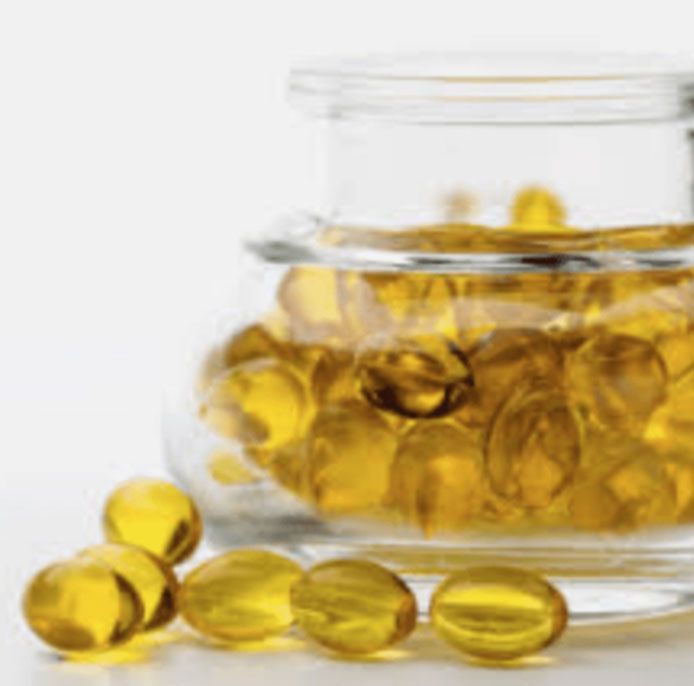
The Sunshine Vitamin…A Hot Topic: What You Need to Know About Vitamin D, Part II By Rosemary Barrow, B.S. Exercise Science, ACSM Health Fitness Specialist CORE Bodytraining, Personal Trainer In the first part of this article, the focus points were on the significance and role of vitamin D as it pertains to human health and disease prevention, and how we can attain optimal levels in our bodies through adequate UVB sunlight exposure, consuming appropriate animal or animal-based food sources (i.e., salmon, tuna, mackerel, fish oils, egg yolks, and some cheeses), and through supplementation. Lately it seems every other study published in health news is boasting the amazing breakthroughs in vitamin D research. The overwhelming amount of relative information in this area is deepening our understanding of this hormone’s powerful effect on our ability not only to thrive but to survive, it seems—rather timely considering that roughly 60% of Americans have low levels of or are vitamin D deficient, according to a study published in the March 2010 issue of the Journal of Clinical Endocrinology and Metabolism. In fact, vitamin D deficiency “may be the common denominator behind our most devastating modern degenerative diseases,” according to Mike Adams, editor of Natural News Network. Individuals suffering from kidney failure, diabetes, cancer, osteoporosis, and multiple sclerosis are almost always universally deficient in the sunshine vitamin. Our health as a nation is disintegrating in a nasty downward spiral. Modern lifestyles lend themselves to behaviors and circumstances that reduce our potential for attaining ideal levels of vitamin D, among other health-giving factors. We spend more time indoors, whether it’s work or play, thus reducing our sunlight exposure. When we are outside we slather on the sunscreen, once again reducing our chances of soaking up those necessary UVB rays that allow us to manufacture enough cholecalciferol (vitamin D3) in our skin. Our diets are severely lacking in both quality of content and in vitamin D-rich foods. To make things more interesting, there’s a sea of misinformation in all forms of media as well as rampant over-medication and lack of quality healthcare. So in light of these latest findings, we could come to a few simple conclusions: Get more healthy sun exposure, exercise regularly, eat “real food” (you know, the kind that comes out of the ground, off of a tree, or from an animal that eats these same things), and then maybe we won’t even need to supplement! While these are pretty clear-cut, well-founded conclusions, it’s worth considering a few more details and asking a few more questions. If optimal vitamin D levels are so integral to our well-being, how then do we optimize this component of health? There are many factors that determine your vitamin D status as well as your ability to make and properly utilize it. As mentioned in Part I of this article, age, weight, body fat percentage, latitude of where you live, skin coloration, season, use of sunscreen, and individual sun exposure are the major determinants. Here are some general rules of thumb that are easy to remember: Older individuals need more vitamin D than younger individuals. Big people need more than smaller people. Heavier people need more than skinny people. Individuals living in northern latitudes (above 35 N latitude) need more than those in southern latitudes (below 35 N latitude & closer to the equator). Darker complected people need more than fairer complected people. Sunblock users need more than those who forgo the sunblock. “Sunphobes” need more than sun worshipers. Ill individuals need more than well individuals. So how do you know if you’re making or getting enough vitamin D? The most accurate and reliable way is through a blood test administered by your doctor or by obtaining a home test kit from ZRT Laboratories (available through www.vitamindcouncil.org) that measures 25-hydroxyvitamin D, or 25(OH)D. This tests for calcidiol in the blood, a pre-hormone and storage form of vitamin D in our bodies that’s made in the liver. The Vitamin D Council states that optimal levels of 25(OH)D for health and disease prevention fall between 50-80 ng/ml (125-200 nM/L), and some estimates have been as high as 100 ng/ml. These are the values you want to look for when you receive your test results. According to the Vitamin D Council, about 20% of U.S. doctors order the wrong test. In this case they’re measuring 1, 25-dihydroxyvitamin D which measures calcitriol, the most potent steroid in our bodies, and is more a measure of kidney function than an accurate reflection of vitamin D status. This particular pre-hormone is an adaptive hormone and fluctuates with calcium intake, so test results of this could show normal or even high levels but a vitamin D deficiency could still exist. Dr. John Cannell of the Vitamin D Council suggests taking 1,000 IU per 25 pounds of body weight for eight weeks and then testing. At that point, depending on your results, you can adjust accordingly for any variable (i.e., sun exposure, food sources, supplementation) that affects vitamin D levels. Dr. Cannell estimates that “each 1,000 IU increase in supplemental vitamin D will generally produce a 10 ng/ml increase in the vitamin D blood level.” These are general recommendations so it’s important to note that we all differ somewhat physiologically and in our vitamin D receptor (VDR) capabilities. When using supplements, be sure to test blood levels every several months to monitor your status. Making and consuming enough vitamin D may be essential to our ability to thrive and survive, as suggested by researchers at Oregon State University in the conclusion to a study they published in August 2009. They discovered a vitamin D-mediated immune response encoded and conserved in the genome of “every primate species ever examined for its presence, …and did not disappear long ago through evolutionary variation and mutation.” This genetic marker is “shared only by primates, including humans – but no other known animal species” and the fact that it “is still found in species ranging from squirrel monkeys to baboons and humans, suggests that it must be critical to their survival…” the researchers said. We have an “innate immune response” that occurs immediately, as with a cut or infection, as well as an “adaptive immune response” associated with the exposure to new pathogens whereby antibodies are formed and retained for future defense. The OSU researchers are studying a specific type of genetic material which composes over 90% of the human genome and “is believed to play a major role in the proper function of the “innate” immune system in primates” in that it “allows vitamin D to boost [this response] by turning on an antimicrobial protein. The overall effect may help to prevent the immune system from overreacting.” Another study led by Professor Carsten Geisler from the Department of International Health, Immunology and Microbiology at the University of Copenhagen, also discovered that vitamin D “activates the immune system by ‘arming’ T cells to fight off infections” and without vitamin D, these cells “remain dormant.” This has very important implications in the prevention and treatment of autoimmune and degenerative diseases. Another characteristic of this system that sets it apart from other steroid hormones is its potential to prevent and fight cancer cells. When cholecalciferol/D3 is produced in the skin there are two initial pathways it takes—first, conversion to calcidiol in the liver (storage from of vitamin D) and then to calcitriol in the kidneys (to regulate calcium in the blood). If enough cholecalciferol has been made to satisfy the requirements for both pathways, any excess calcitriol is sent to other tissues (i.e., organ, organ systems) that can continue independently making more of it in order to fight cancer cells. No other steroid hormone system works this way. To ease any concern regarding vitamin D toxicity, it should be added that this is an extremely rare occurrence. To read more on this topic, visit the Vitamin D Council’s website at www.vitamindcouncil.org. So what all this means is you may have some “vitamin D homework” to do; and now that you’re a more informed consumer, it’s time to get outside and enjoy this beautiful spring weather! http://www.naturalnews.com/028357_vitamin_D_deficiency.html http://www.naturalnews.com/028315_African_Americans_vitamin_D.html http://www.naturalnews.com/028398_kidney_disease_vitamin_D.html http://www.naturalnews.com/028119_vitamin_D_brst_cancer.html http://www.eurekalert.org/pub_releases/2009-08/osu-kfo081809.php http://www.naturalnews.com/027345_Vitamin_D_sun_exposure_blood.html http://www.naturalnews.com/027231_Vitamin_D_immune_system_vaccines.html http://articles.mercola.com/sites/articles/archive/2010/03/11/is-vitamin-d-the-silver-bullet-for-cancer.aspx http://www.vitamindcouncil.org/
The Sunshine Vitamin…A Hot Topic: What You Need to Know About Vitamin D, Part I By Rosemary Barrow, B.S. Exercise Science, ACSM Health Fitness Specialist I think you might dispense with half your doctors if you would only consult Dr. Sun more. ~Henry Ward Beecher If you’ve been tuning in at all to the latest buzz in both conventional and alternative medicine, you’ve probably noticed the newest research involving vitamin D has elevated “the sunshine vitamin” to star status in the medical community. Though technically not a vitamin but a group of five fat-soluble steroid hormones (D1-D5), more specifically hormone precursors known collectively as calciferol, maintenance of an optimal vitamin D level in the body is now more than ever being identified as a cornerstone in the foundations of disease prevention and treatment, as well as in overall well-being. Go figure right? It doesn’t take a panel of scientists and doctors or a slew of research to tell us being in the sun makes us feel better. But what these most recent findings reveal are some insight as to why we are so naturally drawn to sunlight; why it fosters a sense of well-being. The fact that there is a vitamin D receptor (VDR) in virtually every cell of our bodies should attest to the integral role this hormone, most readily produced through sunlight exposure, plays in influencing health status. What does vitamin D do in our bodies? Adequate vitamin D must be present in order for calcium, the most abundant mineral in the body, to be converted into its ionized (usable) form. It’s long been known that its presence is also necessary for the absorption and metabolism of calcium and phosphorus and for the re-absorption of calcium by the kidneys, all processes that determine proper bone mineralization and muscle contraction. Once bio-available calcium from food enters the small intestine, it interacts with vitamin D and calcium-binding proteins and is then absorbed through the intestine wall for use in the body—99% of which is directed to the bones and the remaining 1% to the blood. It’s important to note that this 1% entering the blood is a crucial component in the bio-electric activity of every single cell in the body. Given that we are essentially bio-electromagnetic beings, the significance of 1% is pretty profound! Calcium inside cells determines ideal pH levels that, together with extracellular fluid pH, create a voltage that allows for the appropriate uptake of nutrients and expulsion of waste through cell walls—the most basic operations of our cells. So, if optimal vitamin D levels are lacking and not enough calcium can be absorbed, the body enters into an increasingly acidic state paving the way for disease to set in. In this way, vitamin D is a key factor in the prevention of certain kinds of cancer, hypertension (high blood pressure), types 1 and 2 diabetes, multiple sclerosis, autoimmune diseases, depression, osteoporosis, and inflammatory diseases such as heart disease and arthritis. It is also fundamental to the regulation of the immune system and gene activity. When calcitriol, the active form of vitamin D in the body, binds to a VDR this pairing determines DNA expression (the turning “on” and “off” of genes) affecting over 2,000 genes, accounting for 10% of the human genome and thus directing the activity of hundreds of enzymes and proteins—and this is just one action involving vitamin D! How do we get vitamin D? If this wonder vitamin is so critical to our health and wellness how, you may ask, do we attain optimal levels in our bodies? There are three ways in which can harness the power of this potent steroid hormone. The first and easiest (and free!) way is by getting adequate sun exposure, more importantly, enough exposure to the specific wavelength of ultra-violet sunlight necessary for the formation of cholecalciferol, or vitamin D3 (vitamin D in our skin): UVB rays. In mid-day summer sun exposure for 20-30 minutes it is possible to produce approximately 10,000-50,000 IU (international units) of vitamin D in the skin. There are many factors that determine an individual’s ability to produce beneficial levels of cholecalciferol/D3 but it’s worth noting what is possible in an ideal situation. The minimum amount indicated here is 50 times the U.S. recommended daily allowance (RDA) of 200 IU! Ironically, the very time frame we’ve been strongly advised to avoid (mid-day 10am-3pm) is the ideal time for maximum UVB exposure and minimal UVA exposure, the type of UV light associated with melanoma (the deadliest skin cancer). It’s also been advised that we constantly slather on the sunscreen during this window of mid-day sun but doing so blocks up to 95% of vitamin D-producing UVB rays. This is not to say that sunscreen use should be avoided for prolonged periods of time spent in the sun, but then again that isn’t recommended in general. The second way we can get vitamin D is through our diets. Cholecalciferol (D3) and ergocalciferol (D2), to a lesser extent, are the most important forms for humans. As a general rule vitamin D2 is found mainly in plants (i.e., mushrooms) and, as stated, vitamin D3 is made in our skin or obtained through eating certain animal and animal-based foods, such as fatty fish (i.e., salmon, tuna, mackerel), fish liver oils (best sources), and in lesser amounts in beef liver, cheese, and egg yolks. Many foods in our modern diet are fortified with vitamin D but this does not guarantee the proper absorption and assimilation of this precious nutrient. When you consider that a vast majority of calories in the American diet are from processed foods, by which the very nature of their manufacturing implies the depletion of inherent nutritional value, there is cause for question as to the efficacy of fortified foods including those fortified with vitamin D. If it must be synthetically added to a food source not found in nature, to what extent and how well can it be utilized by our bodies? This leads us to the third and final source of vitamin D: supplementation. For individuals who do not receive adequate sun exposure or regularly consume vitamin D-rich food sources, supplementation is an alternative, and often necessary, way of obtaining its health and disease-preventing properties. The Vitamin D Council’s recommendation states that “healthy children under the age of 1 year should take 1,000 IU per day—over the age of 1, 1,000 IU per every 25 pounds of body weight per day” and “well adults and adolescents should take 5,000 IU per day.” But even supplementation cannot replace the superiority of proper UVB sunlight exposure and consumption through appropriate food sources. Several factors are key in determining more precisely how much vitamin D each of us requires to reap its health-giving benefits. These include age, body weight, body fat percentage, skin coloration, current season of the year, latitude of where one resides, use of sunscreen, and of course individual sun exposure. This is a topic that will be expounded upon in Part II of this article. For now, it’s important to remember that the preferred sources for the manufacturing of vitamin D in humans, respectively, are through adequate exposure to UVB rays in sunlight and via the appropriate animal or animal-based food sources previously mentioned. Part II will also highlight how vitamin D in the body contributes to disease prevention, how to test for healthy levels in the blood, as well as some surprising new information about this vital hormone that further validates its significance with regard to human health and survival. http://www.naturalnews.com/027478_Vitamin_D_health_disease.html http://www.naturalnews.com/027522_Vitamin_D_health_D3.html http://www.naturalnews.com/027345_Vitamin_D_sun_exposure_blood.html http://www.naturalnews.com/026826_calcium_Vitamin_D_human_body.html http://www.naturalnews.com/027231_Vitamin_D_immune_system_vaccines.html http://www.mayoclinic.com/health/vitamin-d/NS_patient-vitamind http://dietary-supplements.info.nih.gov/factsheets/vitamind.asp http://www.medicalnewstoday.com/articles/161618.php http://www.vitamindcouncil.org/

The saying “don’t fix it if it’s not broken” may hold true for some things, but it’s not a good idea to apply it to your own health. We tend to think of “treatment” in terms of symptoms. You treat illnesses, conditions, ailments and diseases, right? Well, sure, you should treat those things, but the fact is, those things might occur less often if you followed a health maintenance plan. Just as exercise helps maintain a healthy weight and meditation helps maintain a relaxed mind, acupuncture helps maintain a healthy body. Rather than only addressing existing problems, a skilled acupuncturist will seek to prevent problems. Qi is the body’s energy, and meridians are the pathways along which qi travels. If you think of qi as a stream and the meridians as waterways, it is easy to picture how even a slight disruption of the flow could cause a ripple in your health, just as a large stone creates a ripple in a stream. Maintenance is important for everyone, but if you have a chronic condition or have been injured in some way that causes chronic pain, regular acupuncture can change your life. As an example, imagine someone who has constant neck pain due to an injury sustained in a car accident. That person lives with the pain for years, then tries acupuncture and cannot believe how well it works. Our imaginary chronic pain sufferer continues seeing his acupuncturist for about 6 months and continues to improve and feel better the whole time. Then, life happens and he misses an appointment and forgets to reschedule. He thinks, “I’m feeling great though, so maybe it’s time to save a little money and stop going for acupuncture so often.” After a few months, he begins to feel a little stiffness in his neck. It’s just vague, just a little twinge early in the morning. He ignores it and continues telling all his friends about how much acupuncture helped. But the pain in the mornings keeps getting a little worse each week, and his range of motion seems to be decreasing – just a little. By the time he returns to the acupuncturist, he needs another series of weekly treatments to return to his happy pain-free lifestyle. While the need to save money and time is understandable, in the end, the imaginary chronic pain sufferer would have saved more money by going into maintenance mode and scheduling an appointment every month, or every other month or even every three months, instead of waiting until he needed a whole series of weekly treatments again. Regardless of your situation, maintenance visits with Wayne will help you stay centered, calm, relaxed and healthy. It only takes a couple of minutes to schedule maintenance appointments for the year, so do yourself a favor and get on our calendar!

What You Should Know About Your First Appointment Some people are anxious about their first appointment. Here is what you need to know: 1. It won’t hurt. If you are afraid of pain associated with needles, stop worrying. It won’t hurt. 2. The majority of your first appointment will be about diagnosis. A big part of the effectiveness of Traditional Chinese Medicine comes from the accuracy of the diagnosis. Wayne will want to spend some time talking to you, looking at you, and listening to or feeling of the effected areas on your body. 3. Wear comfortable clothing. You need to be relaxed during your treatment, whether that treatment involves acupuncture, massage, herbal formulas or a mixture of techniques. Comfortable clothing is a good first step in becoming relaxed. 4. You may want to jot down any questions that occur to you prior to your appointment. Sometimes it is easy to forget what you wanted to ask when you get there! Remember, there are several branches of TCM, so your treatment plan may consist of acupuncture, massage, herbal formulas, qi gong or some combination of those treatments. Wayne will set forth a plan that uses whatever methods will most effectively alleviate your discomfort and return you to optimal, balanced health.

If you search the Internet for the word “acupressure” you see a whole lot of nonsense about what it is, how it is used and even how it feels. If you think of acupressure as something of a cross between a very specialized massage and acupuncture, you will be getting close to getting a clear picture of how the ancient treatment works. Acupressure focuses on the same channels of energy, or meridians, that acupuncture uses; however, during acupressure the qi (energy) flowing along those meridians is manipulated with pressure instead of with a needle. The pressure can be applied using fingers, palms, elbows or specialized tools. Acupressure has been found to be extremely effective for treating nausea, as well as a host of other ailments. There are guides and handbooks and instructions available, but you should always seek the advice of a trained professional before undertaking any sort of self administered treatment. Wayne uses acupressure as a part of his specialized massage technique. Acupressure could be considered a type of focused deep tissue massage because it involves the manipulation of tissues that are deep under the skin. The goal of any of the practices of TCM, including acupressure, is to help bring the body into balance. When qi cannot move through the body freely, discomfort, pain or illness result. By using pressure along the body’s natural meridians, an acupressurist can help patients find relief.

Traditional Chinese Medicine is about balance. Illness, pain and discomfort are the result of imbalance. Four branches of TCM are about restoring physical balance: acupuncture, massage, acupressure and herbal formulas. The fifth branch, qi gong, is about mental balance. Most cultures have something similar to qi gong. Yoga, prayer and meditation are all similar in that they help the practitioner gain a quiet, relaxed mental state. With a focus on breathing and stilled thoughts, qi gong helps restore patients’ minds to balance. Injury for an athlete is stressful. Pain is stressful. Illness that prevents normal living is stressful. Stress alone can cause health issues. Qi gong can serve as a sort of preventative “medicine” because it reduces stress. There are many types of qi gong, but they can be broken down into two broad categories: moving and still. Still qi gong focuses on regulating the mind and entering a quiet, meditative state. Moving qi gong is also meditative, but is practiced to regulate the body. Anyone, regardless of gender, fitness level or age, can practice and benefit from qi gong. If you would like to learn more about this important branch of TCM, talk to Wayne.